If you’ve spent any time online researching behaviour therapy, you’ve probably heard the claim that ABA “makes kids into robots.” It’s a powerful phrase, but it doesn’t accurately reflect what modern behaviour support looks like.
At its core, Applied Behaviour Analysis (ABA) is simply the science of understanding how behaviour works. It examines how the environment influences what people do and how learning happens. Practitioners use this knowledge to help individuals develop useful skills, reduce behaviours that cause harm or stress, and increase independence.
One reason the “robot” myth exists is that early behavioural teaching sometimes relied on repetitive drills. While structured teaching can still be helpful in certain situations, modern practice has evolved significantly. Today, most behaviour support professionals emphasise natural learning opportunities, play‑based interaction, and meaningful real‑life experiences.
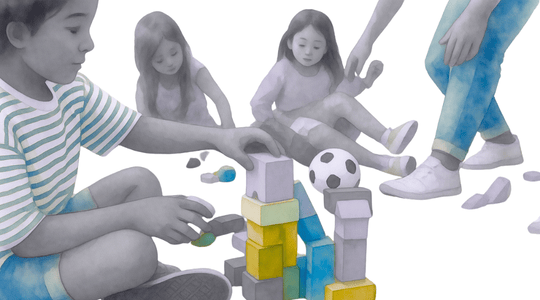
Another misconception is that ABA forces children to behave in unnatural ways. In reality, ethical behaviour support focuses on teaching functional communication and coping skills. For example, a child who hits when frustrated may be taught to ask for help, request a break, or use other strategies to express their feelings safely.
Positive Behaviour Support also looks beyond the behaviour itself. Practitioners examine factors like sleep, environment, communication difficulties, and sensory needs. By adjusting these factors, many challenges can be reduced without forcing anyone to “act differently.”
Ultimately, the goal of behaviour support is not obedience or perfection. The real goal is quality of life—helping individuals participate in school, family life, friendships, and their communities in ways that feel safe and empowering.
When done ethically and thoughtfully, ABA doesn’t create robots. It helps people learn, grow, and thrive.
Sources
- Behavior Analyst Certification Board – Ethics Code for Behavior Analysts
- Association for Behavior Analysis International – Evidence on behavioural interventions
- World Health Organization – Guidelines on developmental disability supports