One of the most emotional questions parents ask professionals is: “Will my child ever talk?”
The honest answer is that every child develops differently. Some children who begin speaking later go on to develop fluent speech. Others may use a combination of speech, gestures, or communication tools. What matters most is helping the child develop effective communication, whatever form that may take.
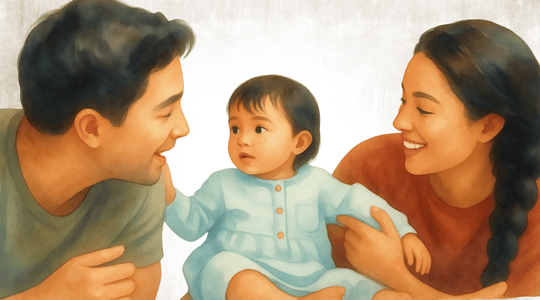
Communication is more than words. Babies communicate through eye contact, crying, and gestures long before they speak. Behaviour specialists and speech therapists build on these early skills to teach new ways of expressing needs and ideas.
For children who find speech difficult, augmentative and alternative communication (AAC) can be extremely helpful. AAC tools include picture communication boards, sign language, and speech‑generating devices. Research shows that using these tools does not prevent speech development—in many cases, it actually supports it.
Another important focus is functional communication training, a strategy often used in behaviour support. Instead of trying to stop challenging behaviour directly, professionals teach a new communication skill that serves the same purpose. For example, a child who screams to escape a difficult task might learn to request a break using words, pictures, or a device.
Over time, these communication skills can open the door to social interaction, learning, and independence. While it’s impossible to predict exactly how each child’s language will develop, we know that consistent support, patience, and opportunity can help children build meaningful ways to connect with others.
The most important goal isn’t just speech—it’s ensuring every child has a voice.
Sources
- American Speech-Language-Hearing Association – AAC and communication development
- World Health Organization – Developmental disability support guidelines
- Behavior Analyst Certification Board – Functional communication training research